

Tumour & Cyst Surgery in Mumbai
In the realm of head and neck surgery, tumour and cyst pose significant challenges and require specialized treatment approaches. Let’s delve into this complex topic to understand the types of tumours, their symptoms, diagnosis, treatment options, and what to expect during recovery.
What are Head and Neck Tumours?
Head and neck tumours can develop in various parts such as the throat, mouth, nose, sinuses, salivary glands, and thyroid gland. These tumours can be benign (non-cancerous) or malignant (cancerous). Benign tumours are typically localized and do not spread to other parts of the body, while malignant tumours can invade nearby tissues and metastasize to distant organs.
Symptoms of Head and Neck Tumours
Symptoms of head and neck tumours vary depending on their location and whether they are benign or malignant. Common symptoms include:
1. Persistent sore throat or hoarseness
2. Difficulty swallowing
3. Lump or swelling in the neck
4. Persistent nasal congestion or sinus pressure
5. Persistent earache
6. Unexplained weight loss
Early detection of these symptoms is crucial for timely diagnosis and treatment.
Diagnosis of Head and Neck Tumours
Diagnosing head and neck tumours involves a thorough examination by an otolaryngologist (ENT specialist). Diagnostic procedures may include:
- Physical examination: This involves inspecting the oral cavity, throat, and neck for
any abnormalities. - Imaging tests: CT scans, MRI scans, and PET scans are commonly used to visualize
the tumour and determine its size and location. - Biopsy: A tissue sample is taken from the tumour for examination under a
microscope to confirm whether it is benign or malignant.
Treatment Options for Head and Neck Tumours
Treatment for head and neck tumours depends on several factors, including the tumour’s type, size, location, and stage, as well as the patient’s overall health. Treatment options may include:
- Surgery: Surgical removal of the tumour is often recommended for localized
tumours that have not spread to other parts of the body. - Radiation therapy: High-energy rays are used to kill cancer cells and shrink tumors.
- Chemotherapy: Drugs are used to kill cancer cells or stop them from growing.
- Targeted therapy: Drugs or other substances are used to attack specific cancer cells
without harming normal cells.
Treatment plans are personalized based on individual patient needs and may involve acombination of these therapies.
Recovery and Rehabilitation
Recovery from head and neck surgery can vary depending on the extent of the procedure and the patient’s overall health. It may involve:
- Pain management: Medications are prescribed to alleviate pain and discomfort.
- Nutritional support: Patients may require feeding tubes or dietary modifications to
ensure adequate nutrition during recovery. - Speech and swallowing therapy: Rehabilitation specialists help patients regain
normal speech and swallowing function, especially after surgery involving the throat
or mouth.
Recovery often involves close monitoring by healthcare professionals to manage any potential complications and ensure the best possible outcomes.
What are Cysts in the Head and Neck?
Cysts are sac-like structures that can develop in various tissues of the head and neck, such as the skin, salivary glands, thyroid gland, and lymph nodes. They are typically filled with fluid, pus, or other materials and may vary in size from small to large. Cysts can be benign (non-cancerous) and generally do not spread to other parts of the body.
Symptoms of Head and Neck Cysts
Symptoms of head and neck cysts depend on their location and size. Common symptoms include a visible or palpable lump, which can be a noticeable bump or swelling under the skin or inside the mouth. Depending on the cyst's location, it may cause pain or tenderness, especially if it presses on nearby structures or becomes infected. Inflamed cysts may appear red and feel warm to the touch. Larger cysts in the throat or neck can lead to difficulty swallowing or breathing due to compression of the airway or oesophagus.
Causes of Head and Neck Cysts
The causes of head and neck cysts vary depending on their location. Epidermoid cysts, for example, often develop from blocked hair follicles or trauma to the skin. Thyroglossal duct cysts form from remnants of the thyroglossal duct during embryonic development, while branchial cleft cysts result from developmental abnormalities in the branchial arches. Salivary gland cysts typically arise due to blocked salivary ducts or infections. Understanding the underlying cause helps determine the most effective treatment approach tailored to the specific type of cyst.
Diagnosis of Head and Neck Cysts
Diagnosing head and neck cysts typically involves a combination of methods. A physical examination by a healthcare provider allows them to assess the size, location, and characteristics of the cyst. Imaging tests such as ultrasound, CT scan, or MRI may be used to visualize the cyst and its relationship to nearby structures, aiding in diagnosis and treatment planning. In some cases, a fine needle aspiration (FNA) biopsy may be performed, where asmall needle is used to withdraw fluid or tissue from the cyst for laboratory analysis to confirm the diagnosis.
Treatment Options for Head and Neck Cysts
Treatment for head and neck cysts depends on several factors, including the cysts size, location, symptoms, and whether it is infected. For small, asymptomatic cysts, observation with periodic monitoring may be sufficient. If the cyst is infected or causing discomfort, drainage using a needle and syringe may be performed under medical supervision. Surgical excision, involving complete removal of the cyst and its surrounding tissue, may be necessary for large or recurrent cysts, particularly if they are causing symptoms or cosmetic
concerns. In cases of infection, antibiotics may be prescribed to reduce inflammation and prevent recurrence.
Recovery and Rehabilitation
Recovery from treatment for head and neck cysts varies depending on the type and extent of the procedure. Following surgical excision or drainage, patients may experience mild discomfort or pain, which can usually be managed with pain medications prescribed by their healthcare provider. Proper wound care is essential to prevent infection and promote healing of the surgical incision or drainage site. Patients are typically scheduled for follow-up appointments to monitor healing progress and assess for any signs of recurrence or complications. With appropriate treatment and diligent follow-up care, most patients recover well from head and neck cysts, achieving complete resolution of symptoms and improved quality of life.
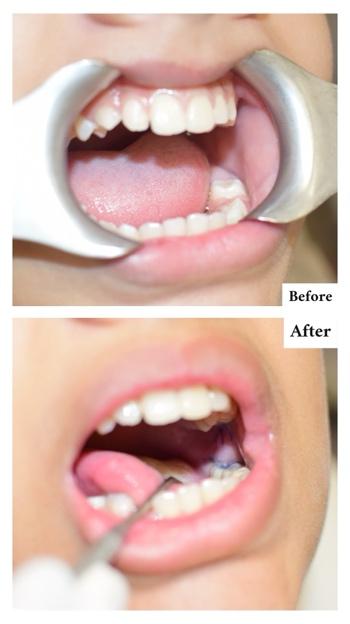
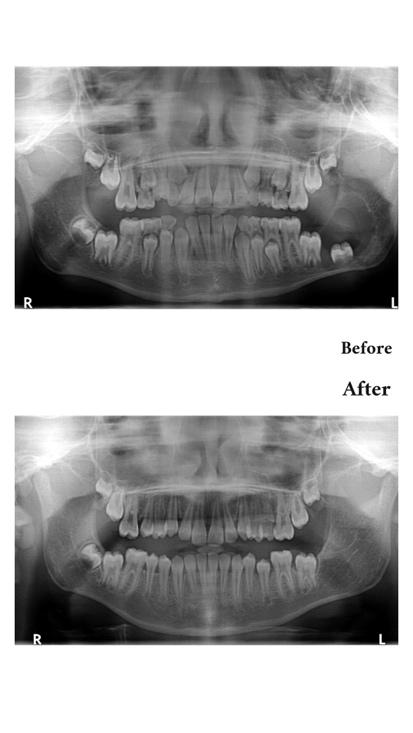
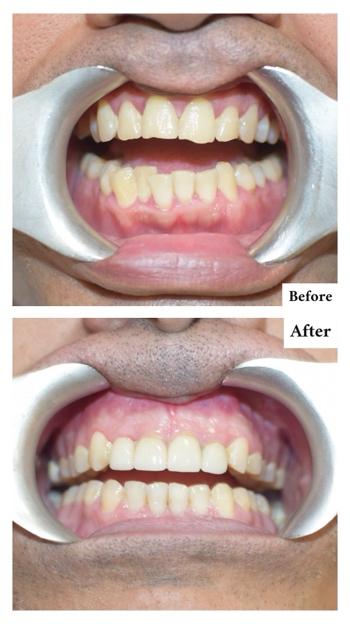
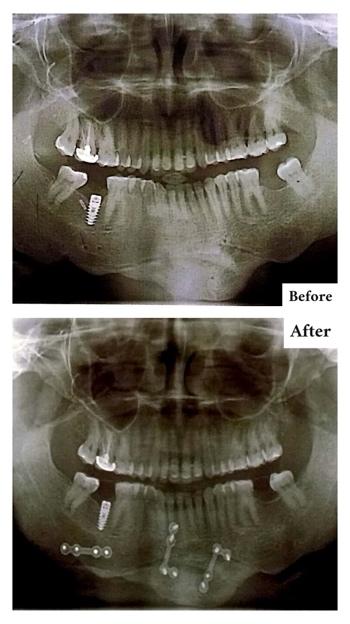
Case Study | Tumour and Cyst