

Tongue Tie Treatment | Head Neck Surgery
What is Tongue Tie?
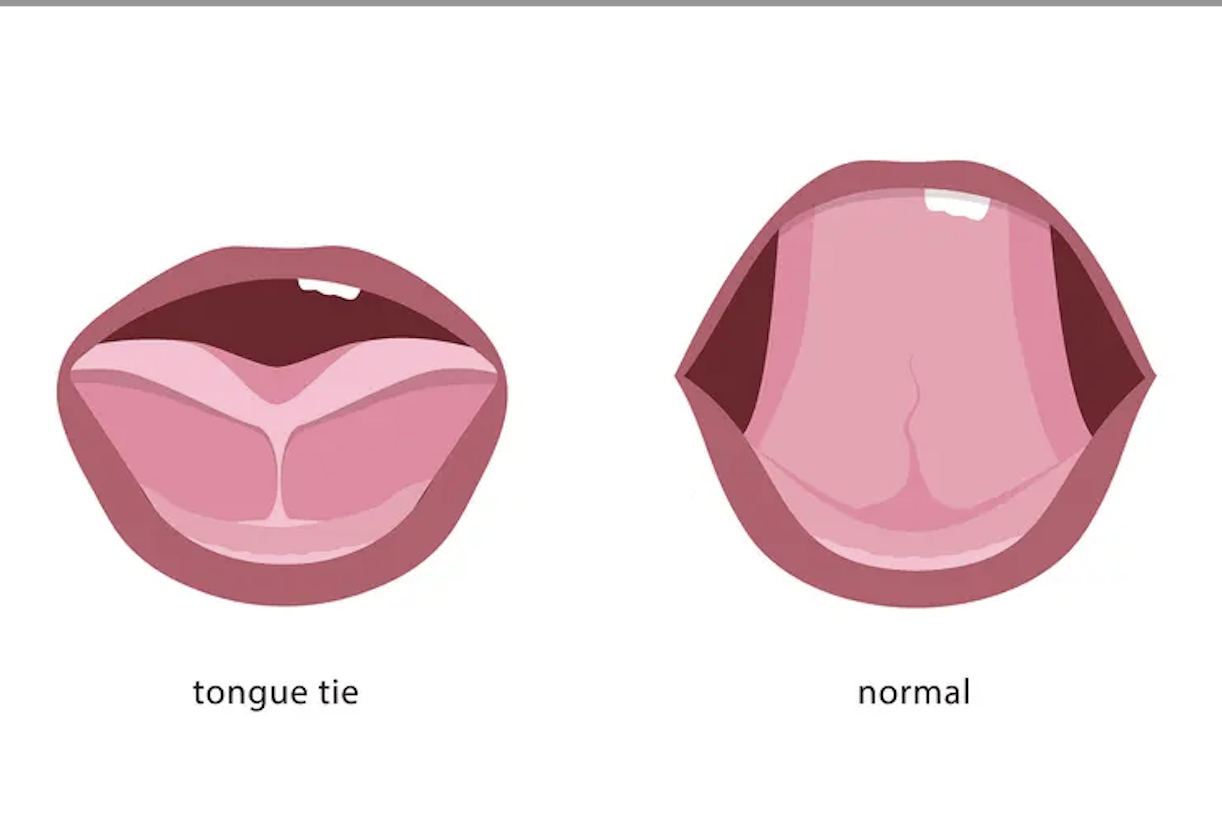
Tongue tie refers to a condition where the lingual frenulum, the band of tissue that attaches the tongue to the floor of the mouth, is unusually short, thick, or tight. This restricts the tongue’s range of motion, affecting functions such as speaking, eating, swallowing, and in infants, breastfeeding. The severity of tongue tie varies, with some cases causing minimal impairment while others significantly hinder normal tongue movement.
What are the Symptoms of Tongue Tie?
Symptoms of tongue tie can manifest differently depending on the individual and the severity of the condition. Common symptoms include difficulty sticking out the tongue beyond the lower front teeth, inability to lift the tongue to the upper teeth or roof of the mouth, and a heart-shaped or notched appearance of the tongue tip when extended. Infants with tongue tie may experience breastfeeding challenges such as difficulty latching, poor milk transfer leading to inadequate weight gain, and maternal nipple pain or damage.
What Causes Tongue Tie?
Tongue tie is a congenital condition that occurs during fetal development when the lingual frenulum fails to properly separate, resulting in an abnormally short or thick band of tissue. The exact cause is not always clear, but genetic factors and certain environmental influences may play a role in its development.
How is Tongue Tie Diagnosed?
Diagnosing tongue tie involves a physical examination by a healthcare provider, typically an Oral Surgeon or ENT specialist or a paediatric dentist. The evaluation includes assessing the appearance and mobility of the tongue, particularly its ability to extend and move freely. In infants, the healthcare provider will also evaluate breastfeeding difficulties and the impact of tongue tie on maternal and infant feeding dynamics.
What are the Treatment Options for Tongue Tie?
Treatment for tongue tie depends on the severity of symptoms and functional impairment. Options include:
- Frenotomy: A simple and quick procedure where the lingual frenulum is clipped or cut with sterile scissors or a laser. This releases the tethering and allows for improved tongue movement.
- Frenuloplasty: A more involved surgical procedure performed under local or general anaesthesia. It involves reshaping or lengthening the lingual frenulum to enhance tongue mobility, particularly in cases where the frenulum is thick or extends far along the underside of the tongue.
- Myofunctional Therapy: Although myofunctional treatment is not a surgical method, it is often recommended in conjunction with or instead of surgery. The goal of this therapy’s exercises and techniques is to improve tongue function and mobility. To optimize outcomes and address underlying muscle issues, it may be advised either before or after surgery.
Treatment decisions are based on individual assessment and consultation with healthcare providers to determine the most suitable approach for each patient.
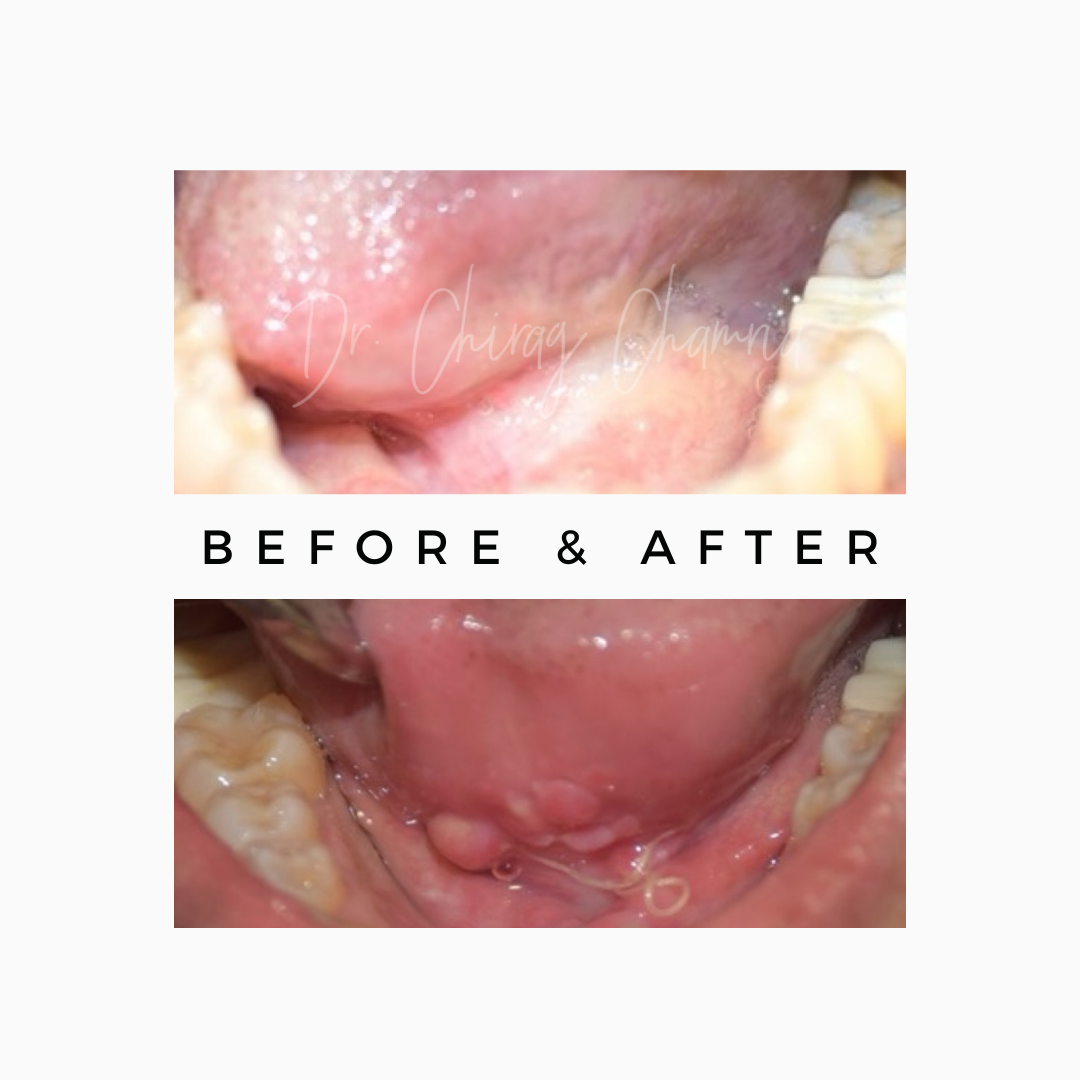
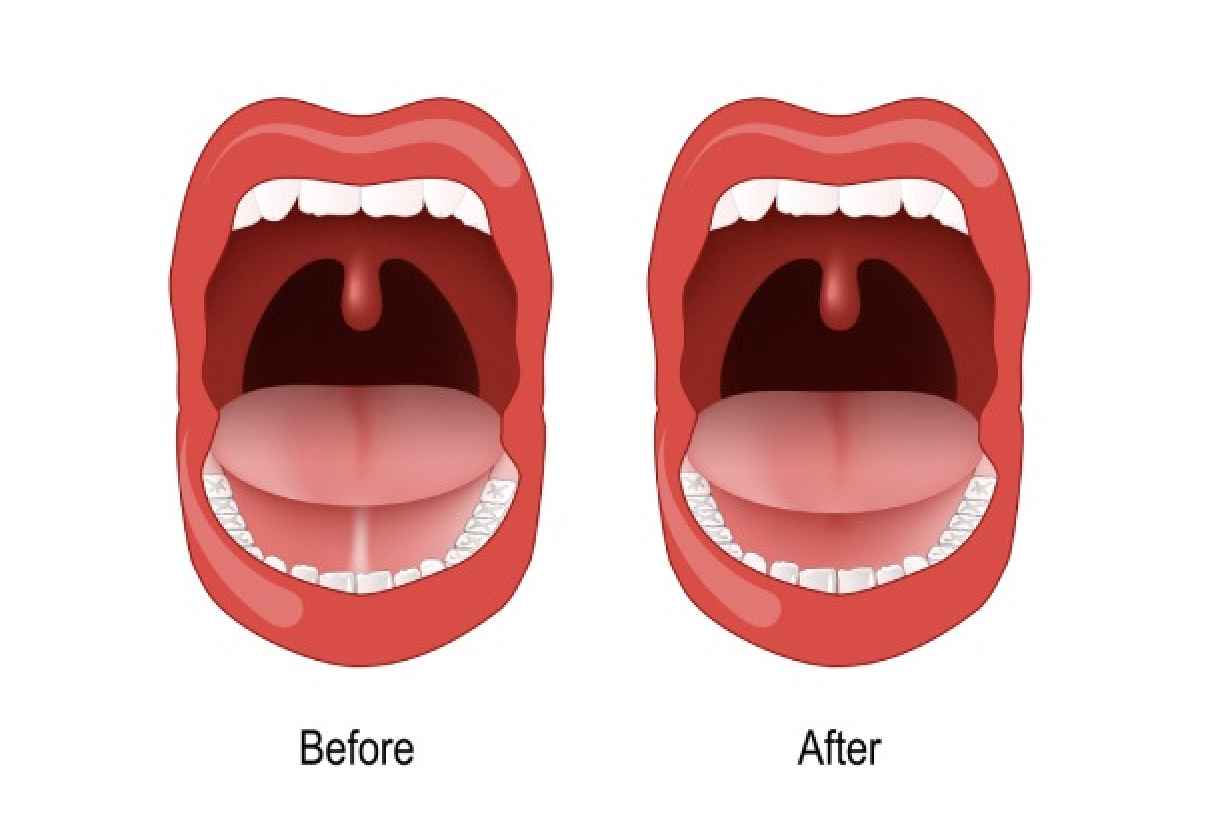
Before After Tongue Tie
Cost Variations
The cost of tongue-tie surgery in India can vary significantly, typically falling between ₹25,000 and ₹70,000.
How Tongue Tie Affects Adults Differently
A tongue knot may restrict the tongue’s range of motion, affecting different facets of daily living. Pronunciation, articulation, and general communication can all be challenging for adults with tongue knots. This could impair swallowing and chewing, causing problems with digestion and nutrition. Tooth ties can lead to misalignment of teeth and a higher chance of cavities, among other dental issues.
What is the Recovery Process Like?
Recovery from a frenotomy is generally quick and straightforward, with minimal discomfort and a short healing period. Babies can often resume breastfeeding immediately after the procedure. Post-operative care may include gentle stretches to prevent reattachment of the frenulum and promote optimal healing. In cases requiring Frenuloplasty, recovery may involve more intensive wound care and pain management, with instructions provided by the healthcare team to ensure proper healing and functional improvement.