


Oral Cancer Rehabilitation with Fixed Teeth
What is Oral Cancer?
Oral cancer refers to cancer that develops in any part of the mouth, including the lips, tongue, cheeks, floor of the mouth, hardand soft palate, sinuses, and throat. It can be life- threatening if not diagnosed and treated early. Early detection of oral cancer significantly improves the chances of successful treatment. Regular dental check-ups can help identify early signs of cancer. If you notice any persistent symptoms, consult a healthcare professional promptly.
Dangers of Oral Cancer in India
1. Smoking, Alcohol or Tobacco (cigarettes, pipes, cigars) increases your risk ofdeveloping oral cancer to more than 90%.
2. A personal or family history of mouth or throat cancer.
3. A diet low in fruit and vegetables may increase your risk of mouth cancer due to lack of vitamins and minerals.
4. Human papilloma virus may infect the skin and the cells lining body cavities. The virus can cause changes in the mouth and throat making them more likely to become cancerous in the future.
5. Research shows a slight increase in risk of mouth cancer; due to a similar diagnosis in a close relative (parent, sibling, or child).
6. Changes can happen in the cells in the lining of the mouth where the patches appear red or white.
Thirty percent of total cancers in India are from the Head and Neck region compared to 5% in the western world. Tobacco, betel nut and ‘paan’ chewing, and smoking and alcohol abuse are the reasons for the increased number of oral cancers in the Indian subcontinent.
Common Symptoms of Oral Cancer
Common symptoms of oral cancer include persistent sores or ulcers in the mouth that do not heal, lumps or thickening in the cheek, white or red patches on the gums, tongue, tonsil, or lining of the mouth, sore throat or a feeling that something is caught in the throat, difficulty chewing or swallowing, difficulty moving the jaw or tongue, numbness of the tongue or other areas of the mouth, and swelling of the jaw causing dentures to fit poorly or become uncomfortable.
1. Feelings of soreness, pain and changes to one’s teeth
2. Loss of smell or taste
3. Blurry vision
4. Difficulty chewing or dry mouth
5. Some mouth movements are less smooth, more distorted or asymmetrical
6. Excessive thirst or frequent urination
7. Digestive problems such as bloating or stomach pain
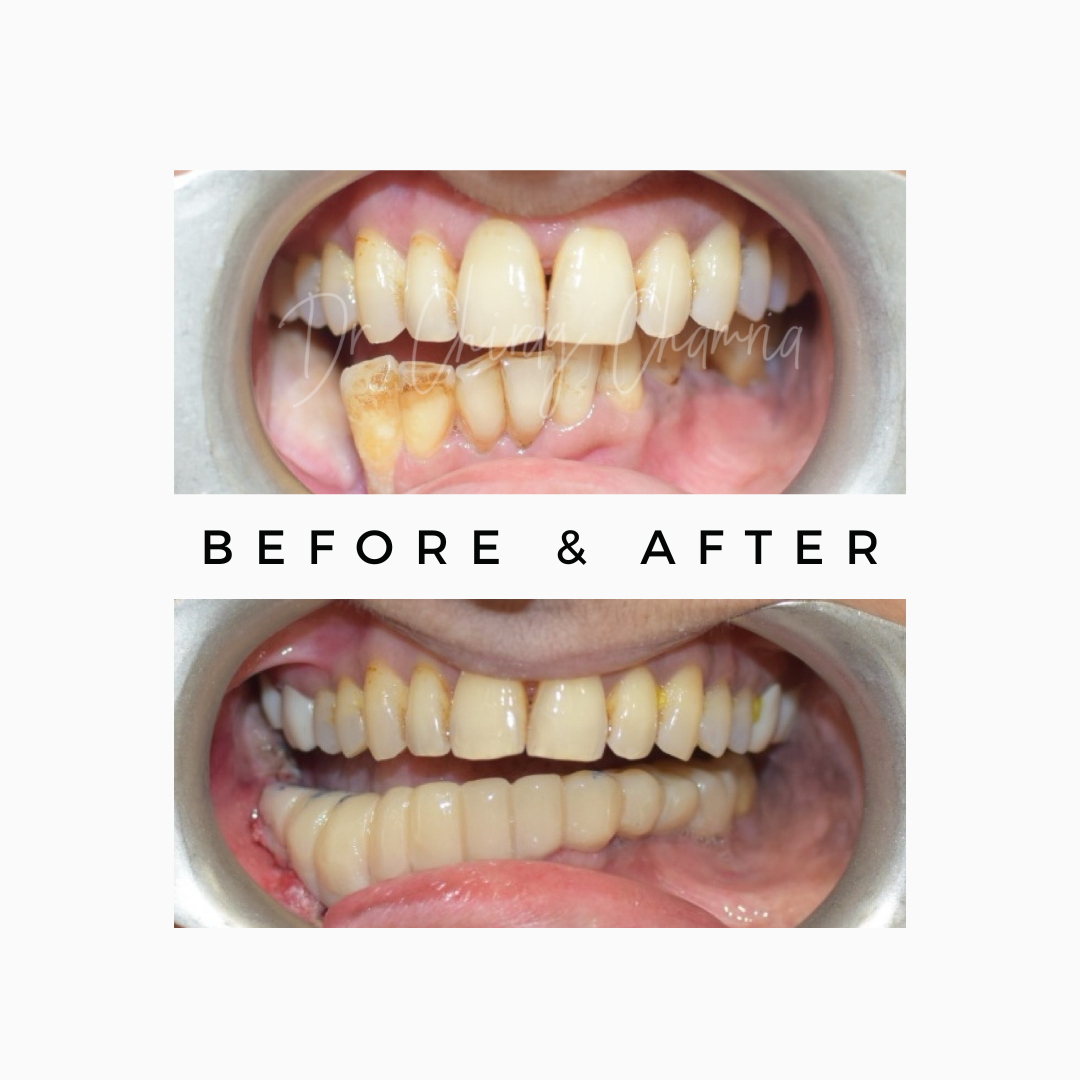
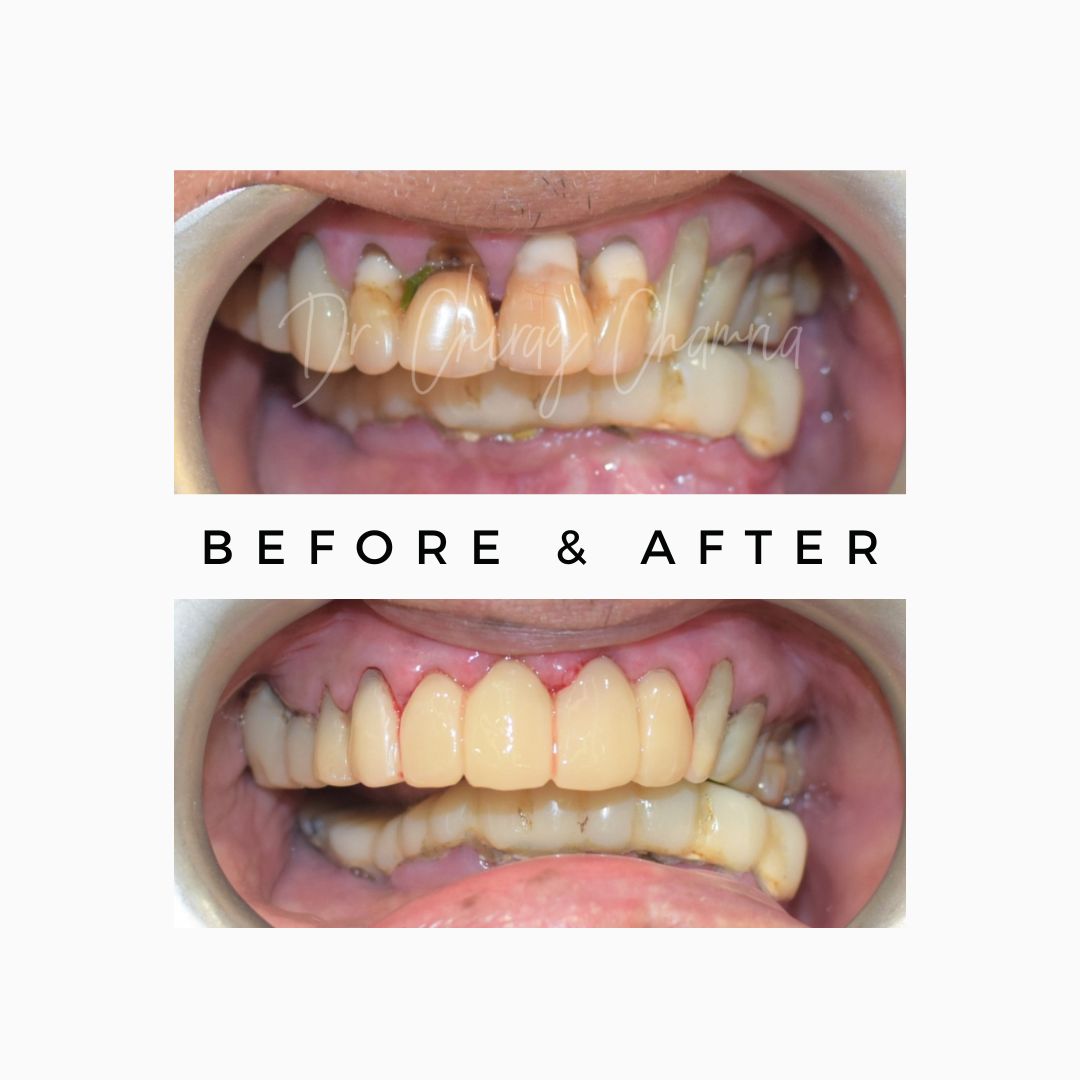
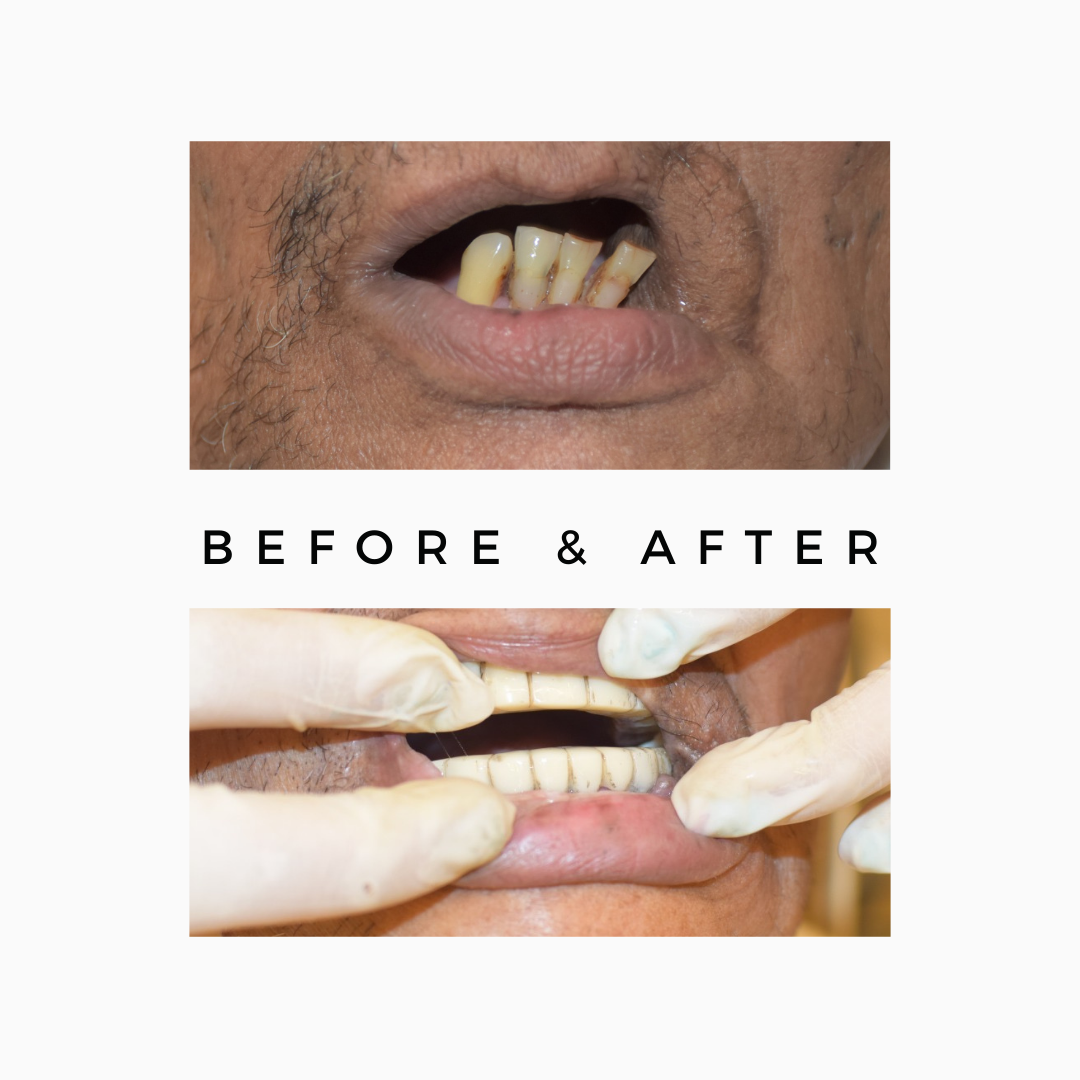
Before After - Case Study Cancer Affected Jaw Teeth
CAJTeeth Before After
Head Neck Surgery in Mumbai | Advanced Center
Upper Mouth Smile Makeover
Head Neck Surgery in Mumbai | Advanced Center
Tooth Mobility
Top Head Neck Surgery Clinic in Mumbai | Advanced Care Center
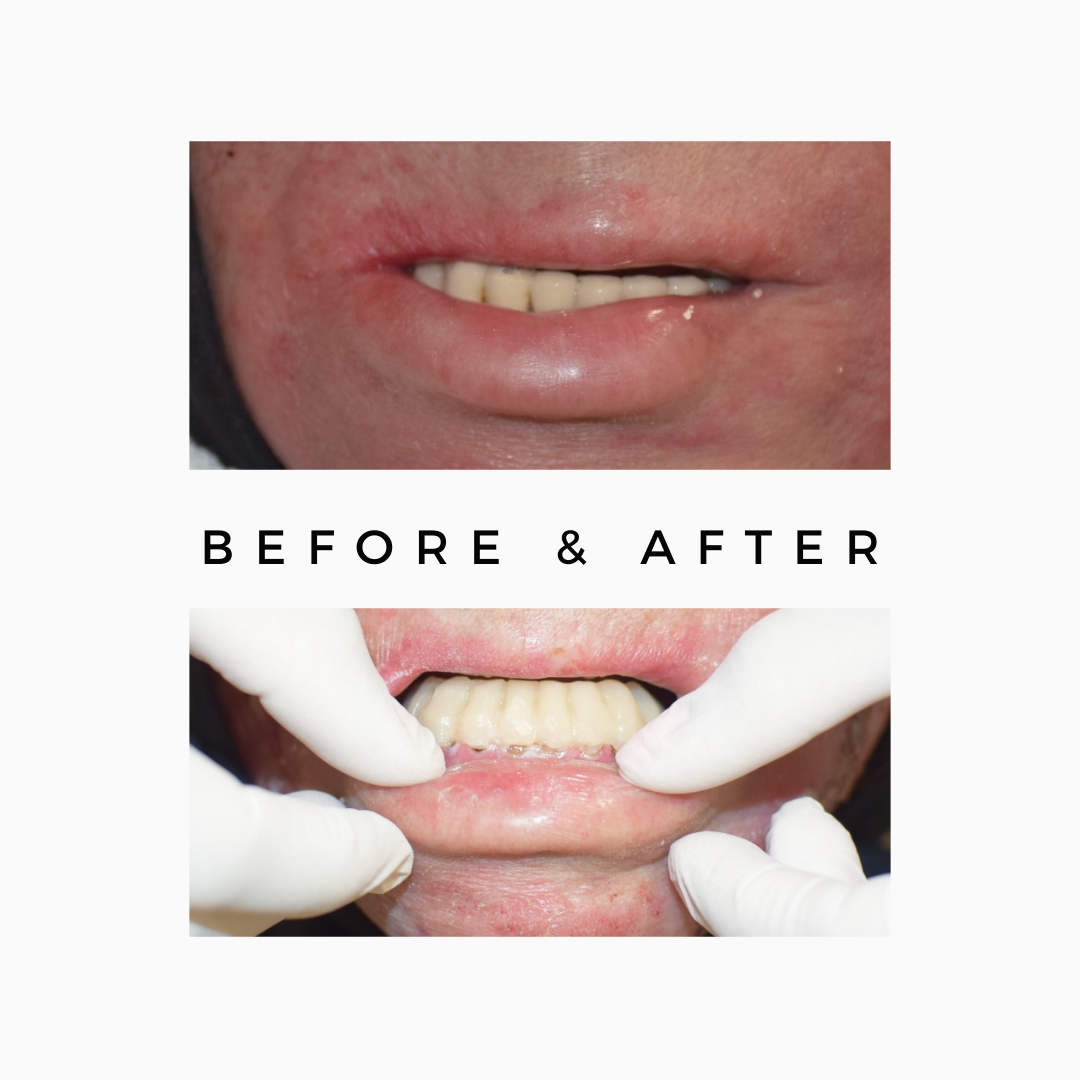
Lower Teeth Treatment
Top Head Neck Surgery Clinic in Mumbai | Advanced Care Center
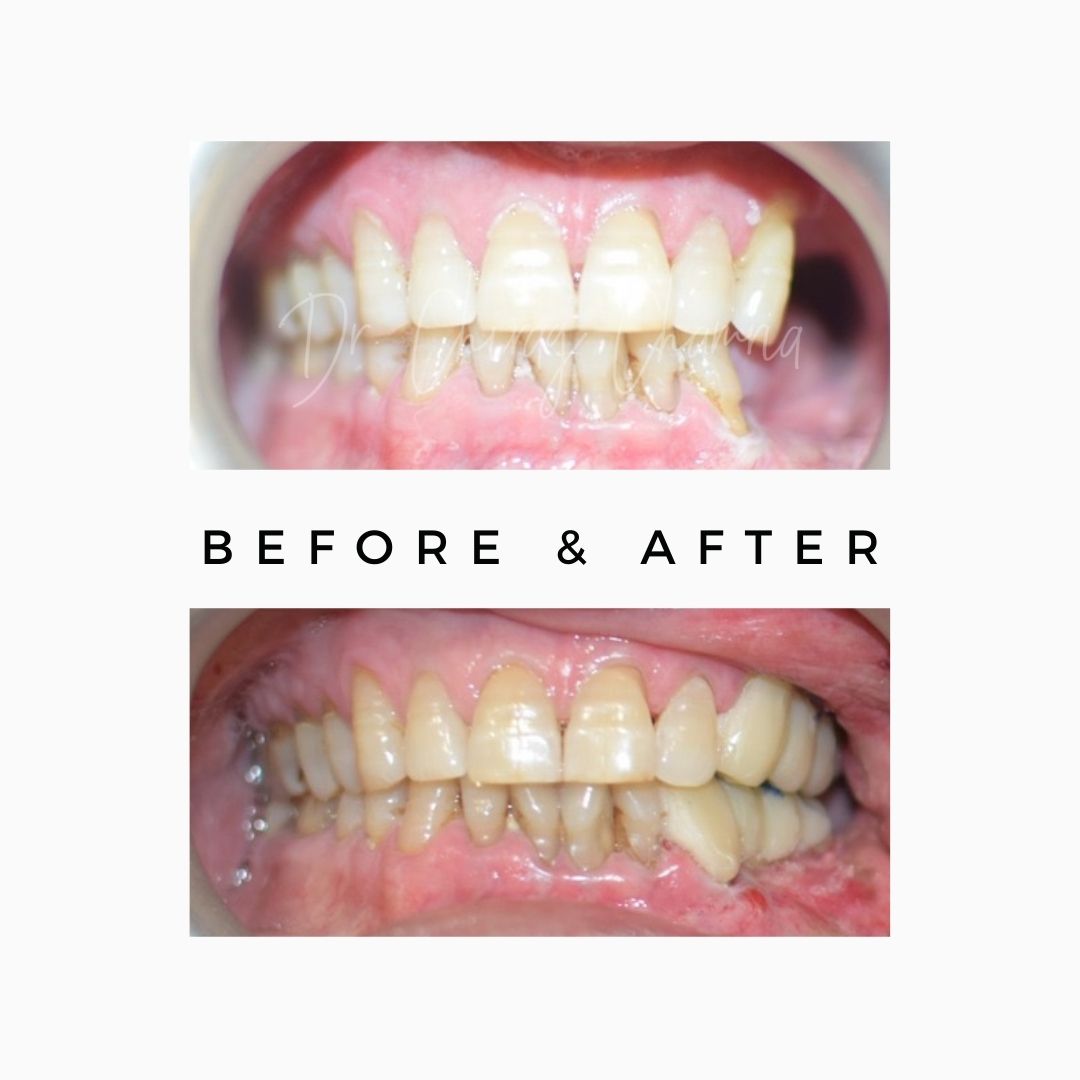
Cancer Affected Jaw | Teeth After Cancer
Head Neck Surgery in Mumbai | Advanced Center
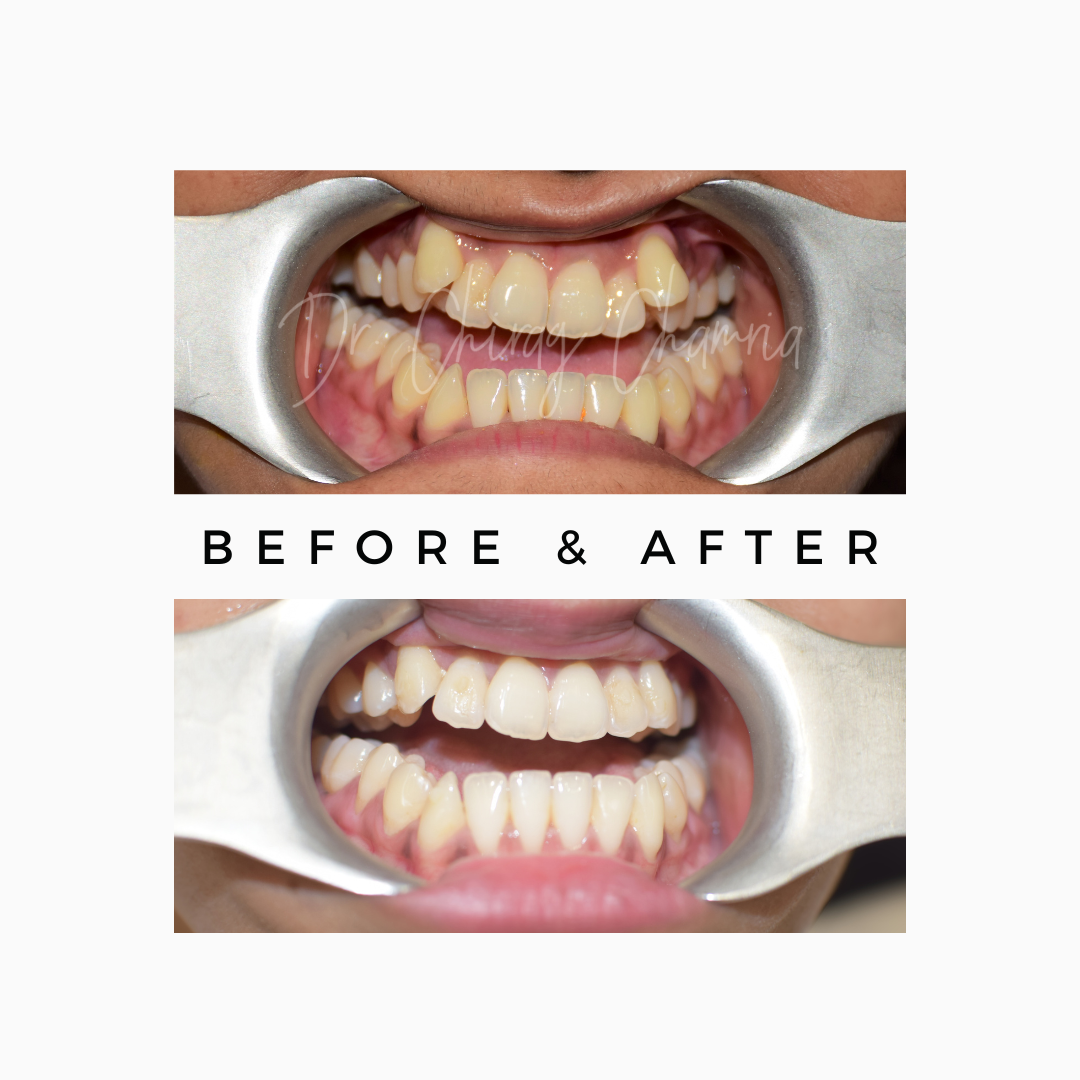
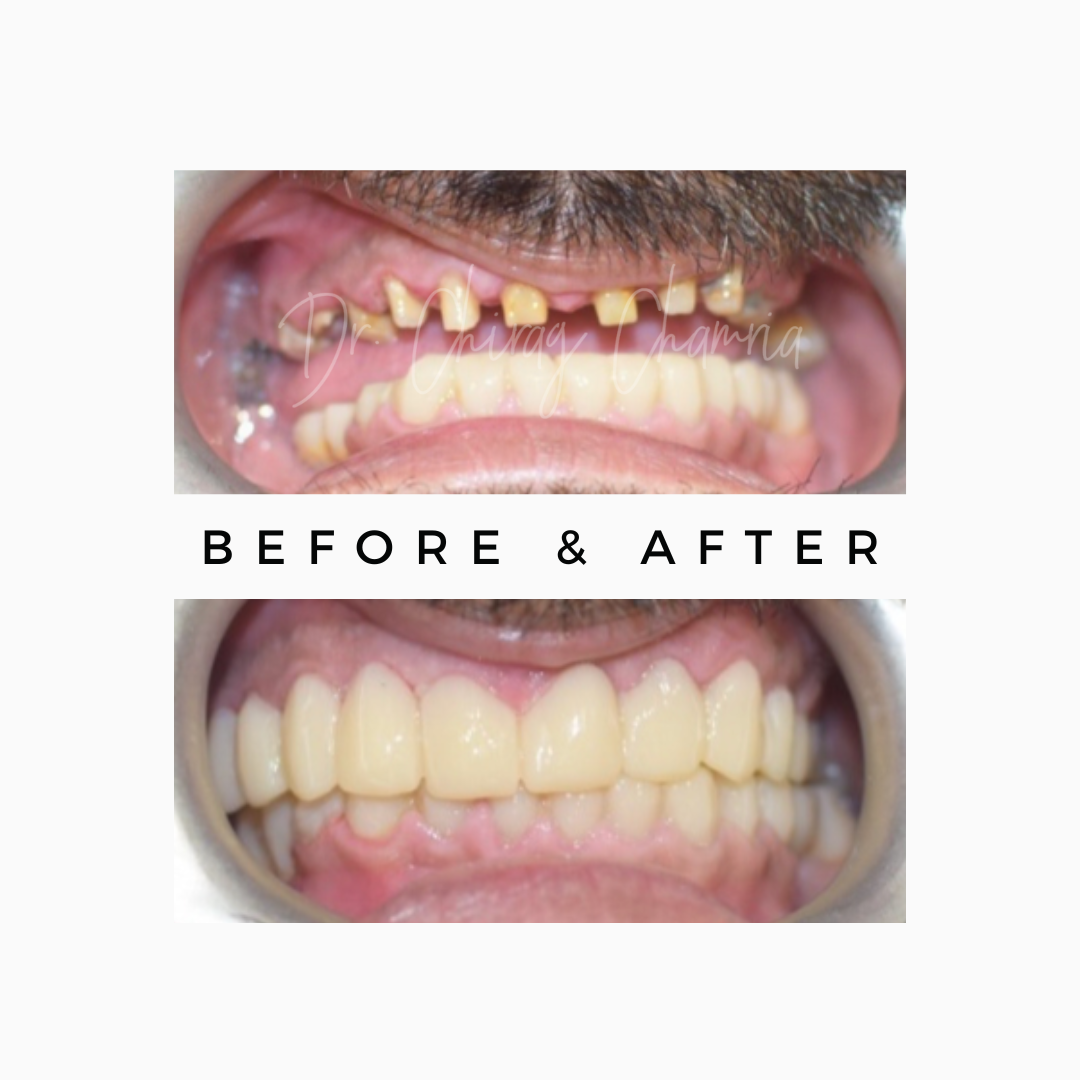
How is Oral Cancer Diagnosed?
Oral cancer is diagnosed through a combination of techniques. A physical examination is the first step, where the doctor checks for any abnormalities in the mouth, throat, and neck.
1. Biopsy: A small piece of tissue from an area of suspicion in the mouth or neck may be removed with an incisional or punch biopsy. A fine needle aspiration (FNA)biopsy of nearby lymph nodes may be performed if warranted. These samples will be examined under a microscope to detect cancer.
2. Pan-endoscopy: Endoscopes are used to ensure there are no other related cancers.
3. Imaging tests may also be performed to diagnose and stage the cancer. These may include:
o X-rays to provide images of the neck, mouth and jaw.
o Computed tomography (CT) scan for cross-sectional images to help determine the size and location of a tumour and whether it has spread.
o Magnetic resonance imaging (MRI) for detailed images of the body’s soft tissues to help determine whether cancer has spread to other tissues or reached the bone marrow.
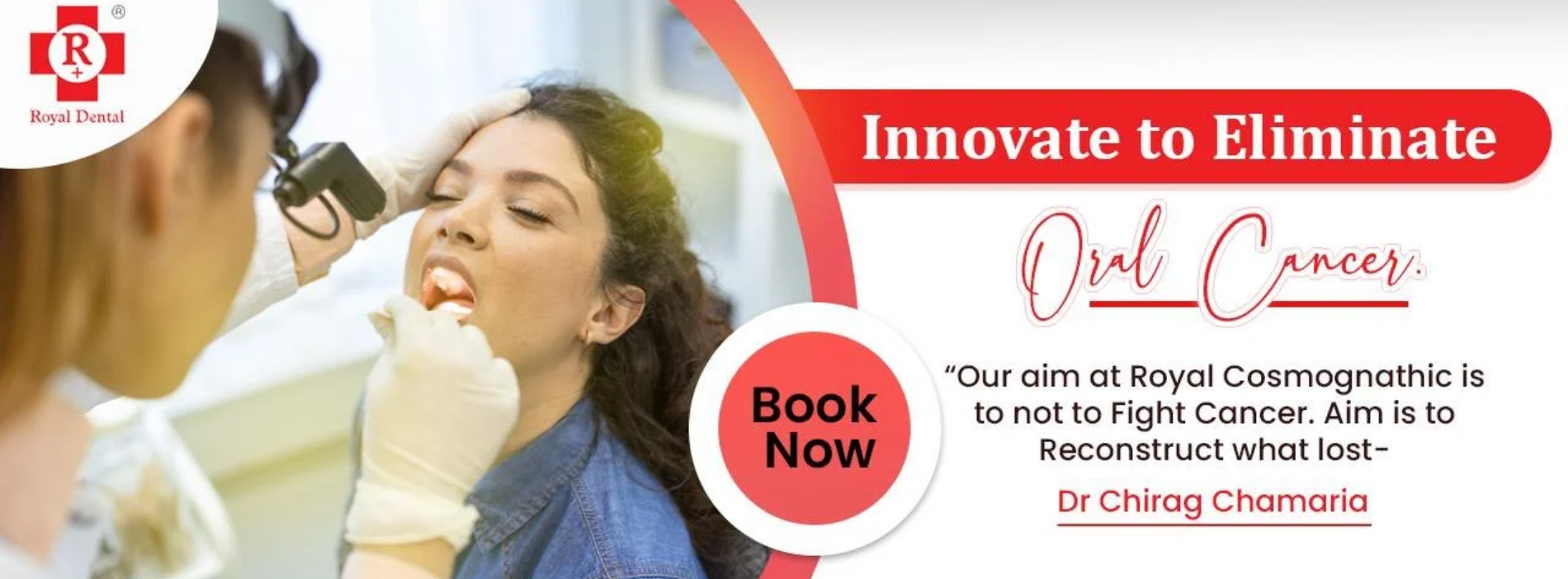
“Our aim at Royal Cosmognathic is to not to Fight Cancer. Aim is to Reconstruct what lost.” – Dr. Chirag Chamria, Oral Surgeon
How is Oral Cancer Staged?
The stage of oral cancer is determined based on the size of the tumour, the extent to which it has spread to nearby lymph nodes, and whether it has metastasized to other parts of the body. The stages range from I (one) to IV (four), with Stage I being the least advanced and Stage IV being the most advanced. For example, Stage I indicates that the tumour is 2 cm or smaller and has not spread to lymph nodes, while Stage IV indicates that the tumour may be any size and has spread to nearby tissues, lymph nodes, or distant parts of the body.
Surgical Treatment Options for Oral Cancer
Surgery is a common treatment for oral cancer, especially in the early stages. The goal is to remove the cancerous tissue while preserving as much function and appearance as possible. Surgical options include tumour resection (removing the tumour and some surrounding healthy tissue), neck dissection (removing lymph nodes in the neck if cancer has spread), and reconstructive surgery (restoring the appearance and function of the mouth and jaw after tumour removal, often involving grafts or prosthetic devices).
Rehabilitation of Oral Cancer
Rehabilitation of facial defects is generally required in patients who have undergone tumour ablative surgery for head and neck cancers and in a few trauma patients. A multidisciplinary approach is required in the care of these patients. In most cases of head and neck surgery, planning and preparation for rehabilitation are done before the surgery using a coordinated approach. Patients may develop severe facial defects due to trauma, cancer, or congenital disorders.
The rehabilitation after oral cancer may include:
1. Restoration of the aesthetics inpatient
2. Reconstruction of the facial contour
3. Retaining or restoring lip function
4. Regain clarity of speech
5. Restoring stable dentition
6. Restoring the ability to swallow
Quality of Life after Oral Cancer
The taste and feel of food after surgery is unique. Understanding what to expect, learning about the different types of surgery, and knowing what you are likely to experience. As a result, it can help ensure you’re prepared for that first bite.
You may be able to eat some foods from day one. However, if your surgery involves removing a large portion of the inside of your mouth or tongue, eating may be difficult for some time. If you’ve had radiation treatment, your sense of taste can take even longer to return. Understanding what to expect will help make those first few days post-surgery much more manageable. Once you are aware of the Dental Cancer Symptoms & take action immediately,
Taste Changes After Oral Cancer
Food may taste different, especially bitter, sweet, and salty foods. Some foods may taste bland, and some may feel the same. You may taste metallic or chemical, especially after eating meat or other protein foods. Understand all the Causes Of Tooth Cancer in advance to avoid repercussions later.
How long does it take to feel normal?
Different people experience different levels of difficulties after surgery. Sometimes, your mouth may be numbed, or you may not be able to taste food. Other times, you may experience difficulty swallowing. It can take a few weeks to a few months for the taste and feel of food to return completely to normal.
The most important thing is to start slowly and not expect too much too soon. You must also continue making healthy food choices during this period. Ensure you get enough protein and other nutritional foods to maintain your weight and health while recovering.
Can I get Teeth after Oral Cancer?
One of the most important things to do after a diagnosis of oral cancer is to remove and replace, i.e., get your teeth back. Your teeth are vital to your life; you need them to eat, speak, and smile. Cancer treatments can destroy the bone in your jaws, leading to tooth loss. One of the most common questions patients have about oral cancer is, “Can I get my teeth back?”
The Oral specialist will take an impression for a full or partial denture and make a temporary dental bridge until your new teeth are ready. You may also need a prosthetic tooth or an implant if you’ve lost one or more teeth due to oral cancer. Implants may be the best option for those who want their natural-looking smile back as soon as possible. Implants provide a permanent solution that allows you to have all the natural-looking teeth you deserve without worrying about them falling out during treatment!
Post-Treatment Care and Rehabilitation
Regular follow-up appointments are crucial to monitor for cancer recurrence and manage any long-term side effects of treatment. Follow-up care typically includes physical exams, imaging tests, and lab tests at intervals determined by your healthcare provider.
Rehabilitation focuses on improving the quality of life after treatment. It may include speech and swallowing therapy to help regain normal function if cancer or treatment affects these abilities, nutritional support to address dietary needs and potential challenges with eating and drinking, physical therapy to restore movement and strength, especially if surgery affects the jaw or neck, and psychosocial support through counselling and support groups to help cope with the emotional impact of cancer and its treatment.
Prevention and Awareness
Prevention of oral cancer includes avoiding tobacco products, limiting alcohol consumption, protecting your lips from sun exposure by using lip balm with SPF, maintaining good oral hygiene, and eating a diet rich in fruits and vegetables. Regular dental check-ups are also important for early detection of precancerous conditions or early-stage cancer.
Awareness and support resources for oral cancer include organizations such as the American Cancer Society, the Oral Cancer Foundation, and local support groups. These resources provide information, support, and advocacy for individuals affected by oral cancer. Additionally, educational campaigns and screenings can help raise awareness about the risk factors and importance of early detection.