



Lower Jaw Surgery after Trauma
Lower jaw trauma, also known as mandibular trauma, is a prevalent injury that can occur from various incidents such as sports injuries, falls, motor vehicle accidents, and physical assaults. The mandible, or lower jawbone, is essential for functions like chewing, speaking, and maintaining facial structure, making any trauma to this area significant and requiring careful attention. This blog post aims to provide a comprehensive understanding of the causes, symptoms, and treatment options for lower jaw trauma.
Causes of Lower Jaw Trauma
Lower jaw trauma can arise from several sources, each varying in severity. Sports injuries are a common cause, particularly in contact sports like football, hockey, and boxing, where collisions or direct blows to the face are frequent. Falls, another significant cause, especially affect children and the elderly, who are more prone to accidental impacts that can lead to jaw injuries.
Motor vehicle accidents are also a leading cause, as high-impact collisions often result in severe facial injuries, including fractures of the mandible. Additionally, physical assaults can cause direct trauma to the jaw, leading to fractures or dislocations. Workplace accidents, especially in environments involving heavy machinery or hazardous conditions, can also result in jaw injuries, emphasizing the need for safety measures.
Symptoms of Lower Jaw Trauma
The symptoms of lower jaw trauma can vary widely depending on the injury's severity and type. Common symptoms include intense pain in the jaw, which can worsen with movement or chewing. Swelling and bruising around the jaw area are also typical, often accompanied by difficulty in chewing and speaking due to pain and mechanical disruption. Misalignment of the teeth is another symptom, indicating possible fractures or dislocation, and can significantly affect the bite. Numbness in the lower lip and chin area may occur due to nerve damage, and in severe cases, there may be a visible deformity or displacement of the jawbone. Recognizing these symptoms is crucial for seeking timely medical intervention.
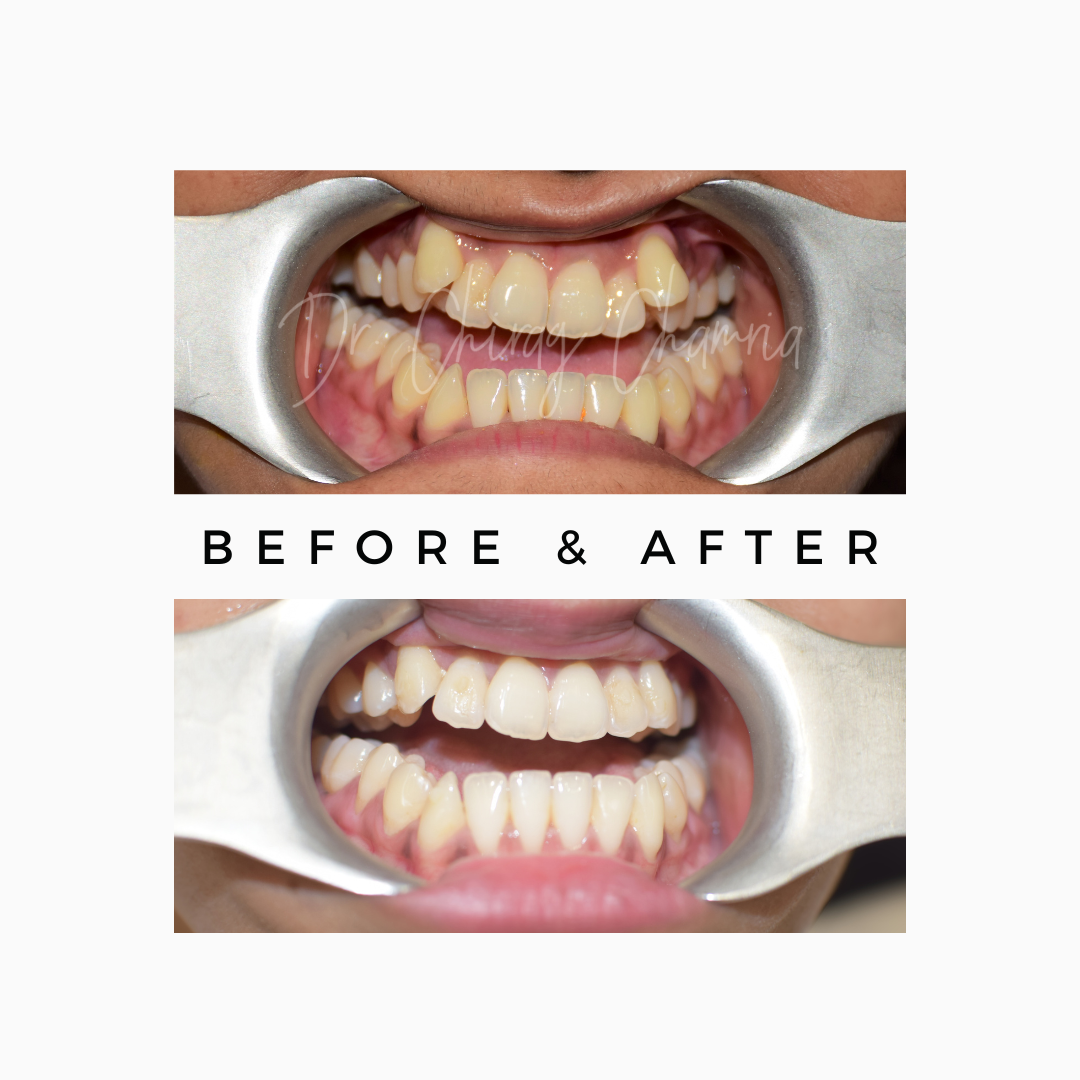
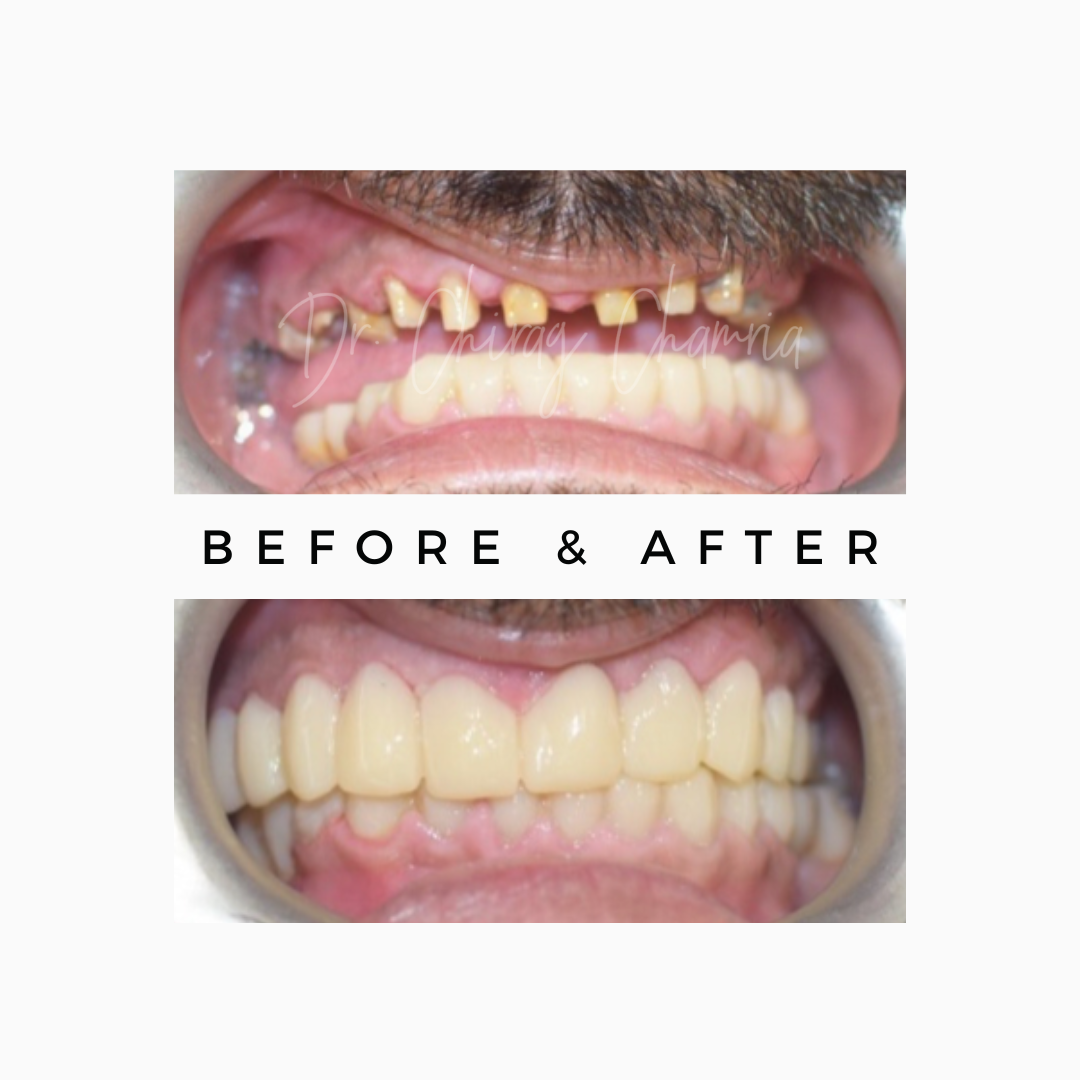
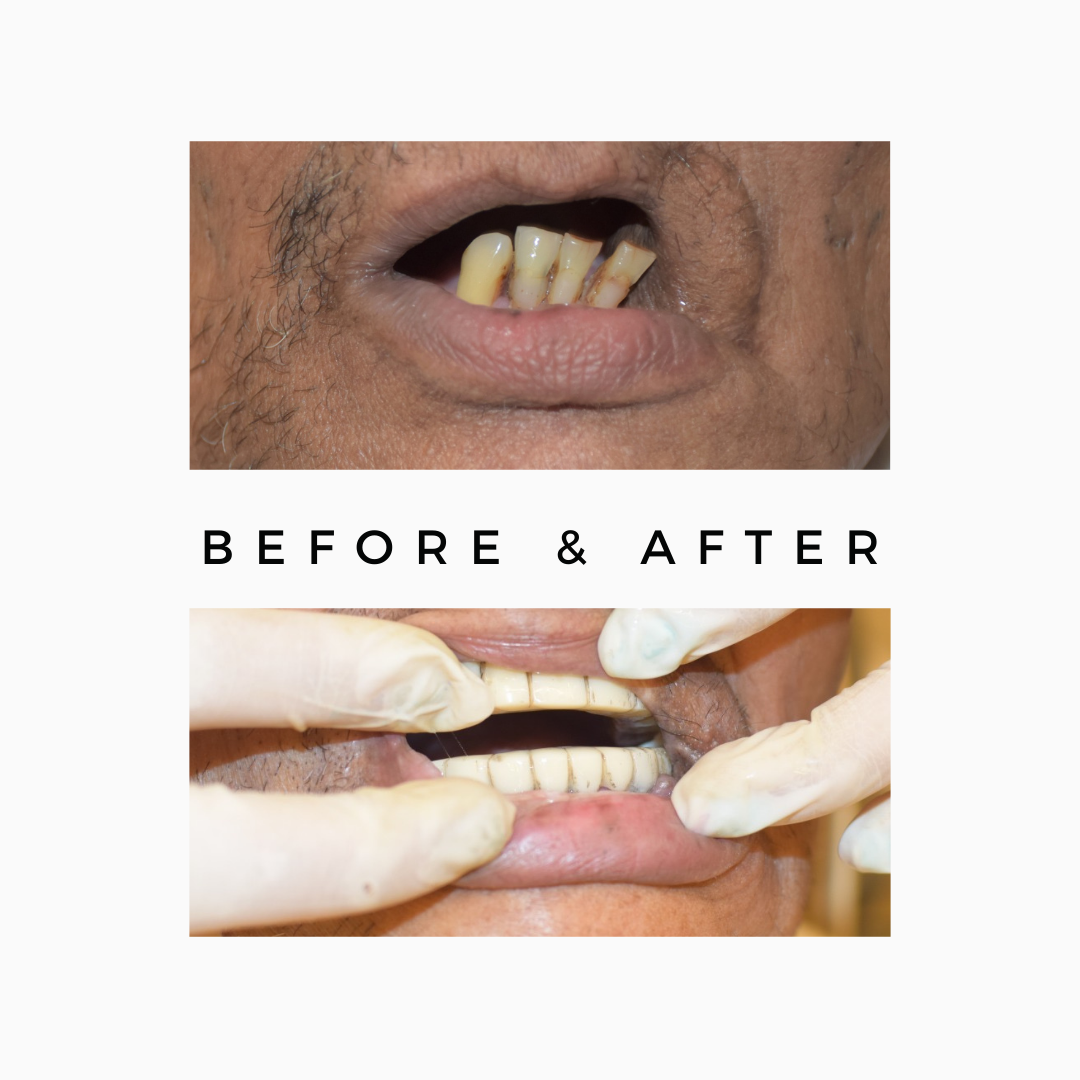
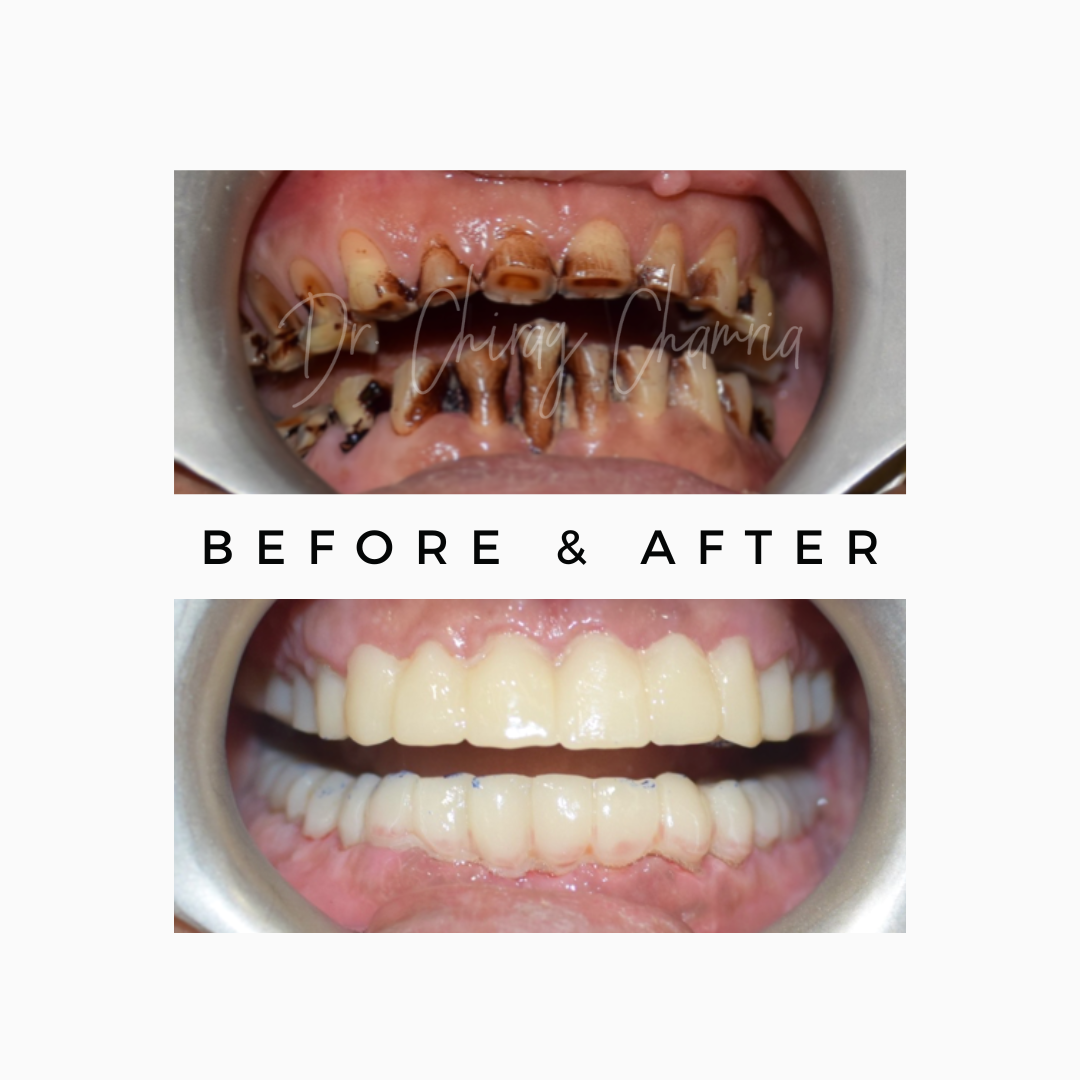
Case Study | Lower Jaw Correction Surgery
Diagnosis of Lower Jaw Trauma
Accurate diagnosis of mandibular trauma is essential for effective treatment and recovery. Healthcare professionals typically begin with a thorough physical examination to check for visible signs of injury, misalignment, and functional impairments. Imaging tests, such as X- rays, are commonly used to confirm fractures and assess their extent. In some cases, a CT scan may be necessary to obtain a detailed view of the bone structure and identify any complex fractures or associated injuries. These diagnostic tools are vital in planning the appropriate treatment strategy.
Treatment Options for Lower Jaw Trauma
The treatment of lower jaw trauma depends on the severity and type of injury. For minor fractures or injuries, conservative management, including rest, pain management with medications, and a soft diet to minimize jaw movement, may suffice. More severe fractures often require surgical intervention to realign and stabilize the jawbone. This can involve procedures like open reduction and internal fixation (ORIF), where the bone fragments are repositioned and held together with plates and screws. In cases of severe dislocation, closed reduction techniques may be used to manually reposition the jaw. Post-surgical care iscrucial and typically involves a period of immobilization, followed by physical therapy to restore normal function and strength to the jaw muscles.
Recovery and Rehabilitation
Recovery from lower jaw trauma varies based on the injury's severity and the treatment method used. For minor injuries, recovery may take a few weeks, while more severe fractures and surgical interventions may require several months for complete healing. During the recovery period, adherence to medical advice and follow-up appointments is essential to monitor progress and prevent complications. Physical therapy plays a significant role in rehabilitation, helping to restore jaw function, improve range of motion, and strengthen the surrounding muscles. Patients are often advised to avoid strenuous activities and adhere to a soft diet during the initial healing phase.
Preventing lower jaw trauma involves taking appropriate safety measures, especially in high-risk activities. Using protective gear, such as mouthguards in sports, can significantly reduce the risk of injury. Ensuring safe environments to minimize the risk of falls, particularly for children and the elderly, is also crucial. In motor vehicles, wearing seat belts and following traffic safety rules can prevent severe facial injuries during accidents. In workplaces, adhering to safety protocols and using protective equipment can mitigate the risk of jaw injuries. Public awareness and education on the importance of safety measures are vital in preventing mandibular trauma.
A Recovery Story
The patient was in severe discomfort in her lower jaw approximately 1.5 months ago, which prompted her to contact Dr. Chirag Chamria's team right away. This courageous patient showed amazing bravery and determination throughout her recuperation process, even after the initial setback. Her jaw was found to have shattered on both sides during inspection, posing a challenging situation that needed immediate attention. Dr. Chirag Chamria and his expert team delivered careful care in a hurry, managing the acute discomfort before coming up with a thorough treatment plan. The patient's jaw plating procedure was performed with great care, addressing her concerns regarding apparent scars in addition to assuring a functional recovery. Her main concern was how she would be able to eat after the surgery. She has been able to eat without any difficulties for the past two months, which is a credit to both her amazing recovery and the skill of Dr. Chamria's staff. To ensure that the scar remains discrete throughout time, careful attention was paid to its aesthetic revision during the procedure. This methodical approach demonstrates Dr. Chamria’s dedication to improving his patients’ general well-being and confidence in addition to their physical health.