


Advanced Head Neck Surgery, Cancer Care & Reconstruction Under One Roof
HeadNeckSurgery.in is a dedicated platform for patients seeking specialised care for diseases and cancers of the head, face, mouth, throat and neck. From early diagnosis of oral lesions to complex head & neck cancer surgery and functional reconstruction, our focus is simple: remove disease, restore form, and preserve quality of life as much as possible.
Led by Dr. Chirag Chamria, Oral & Maxillofacial and Head & Neck Onco-Surgeon, our team works across disciplines – surgery, dental rehabilitation, prosthetics and rehabilitation – to offer integrated treatment plans. We routinely manage conditions such as oral cancer, jaw tumours, maxillary and mandibular defects, salivary gland tumours, thyroid and parotid swellings, jaw joint problems, and post-cancer rehabilitation.
Here at Head Neck Surgery, you will find:
-
Clear explanations of common head & neck conditions and their treatment options
-
Evidence-based surgical protocols with a focus on safety and long-term outcomes
-
Reconstruction and dental rehabilitation options, including fixed teeth after cancer surgery
-
Second-opinion and case review services for complex or previously treated cases
Whether you have just been diagnosed, are exploring a second opinion, or are living with the after-effects of previous treatment, this website is designed to help you understand your options and make informed decisions – with compassionate, specialised care every step of the way.


Schedule Consultation with Oral Surgeon for Head Neck Surgery at Royal Dental Clinics in Mumbai, India
Before After Case Study
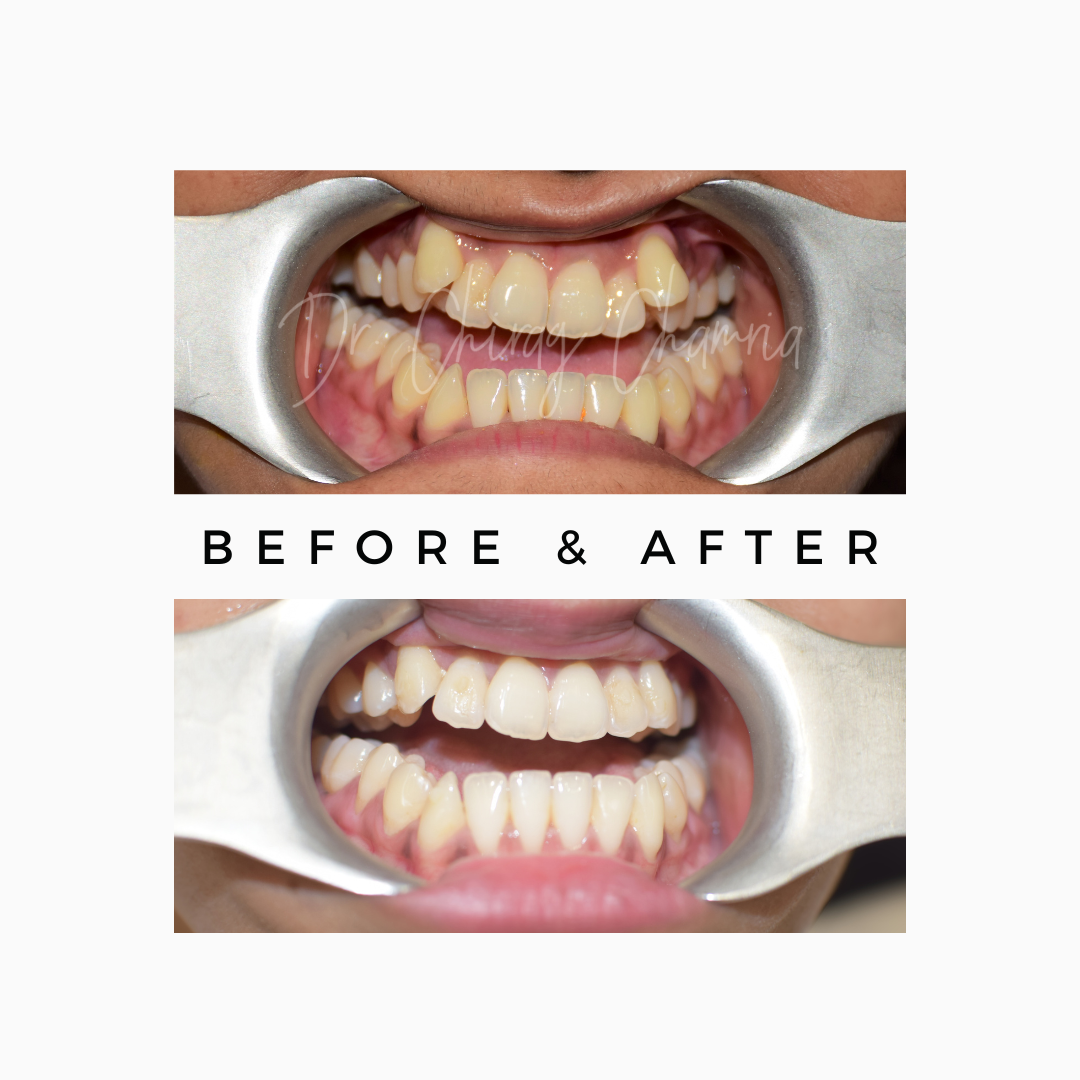
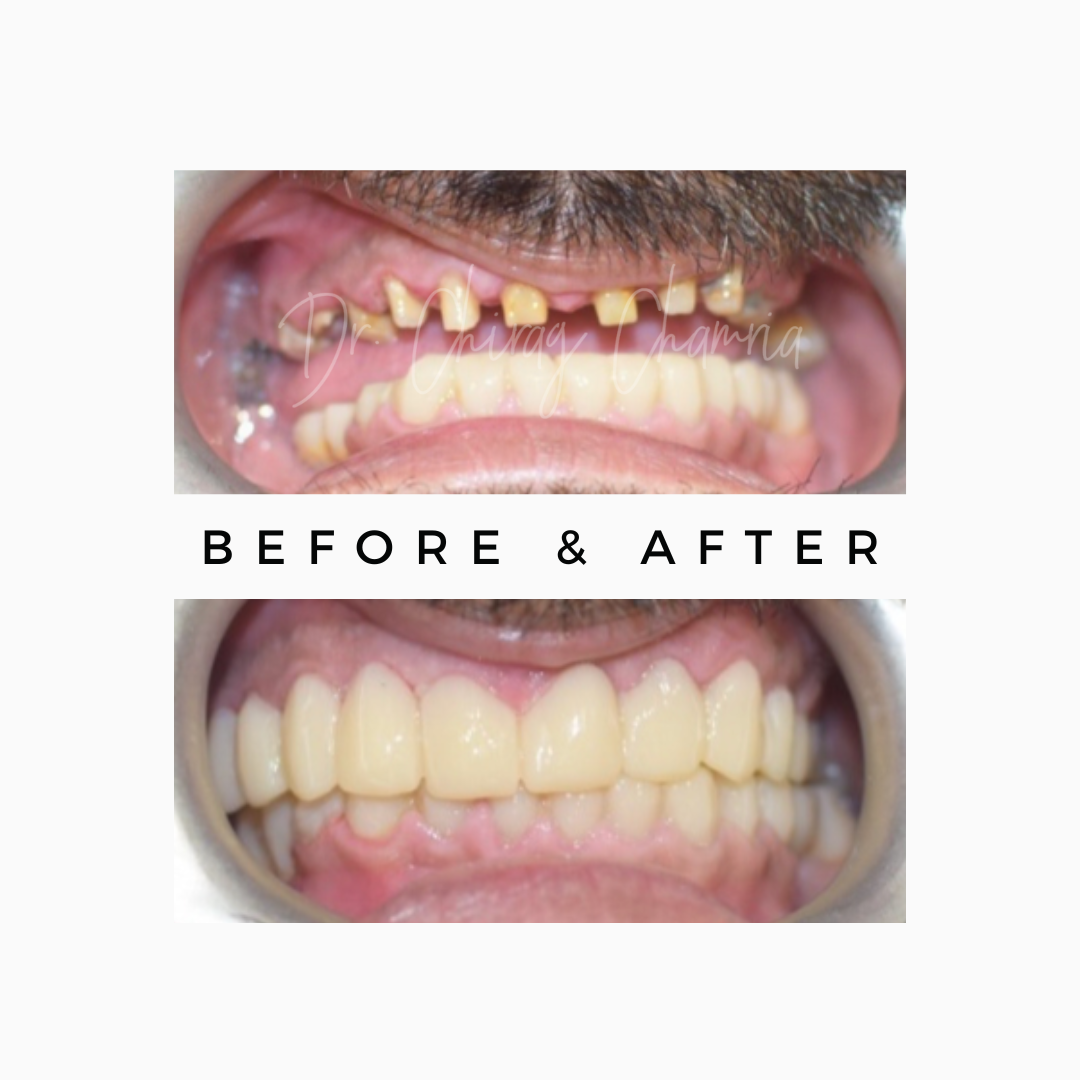
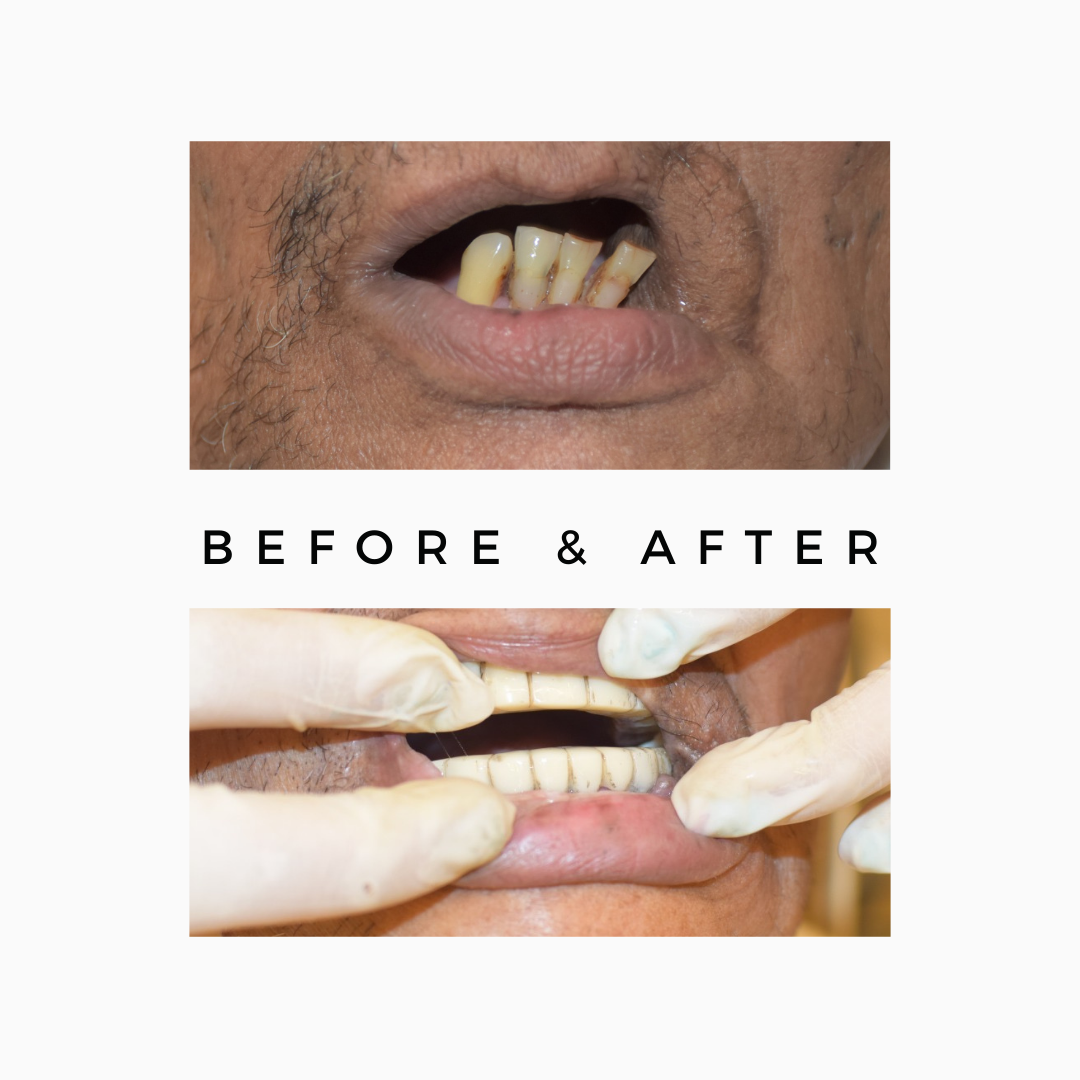
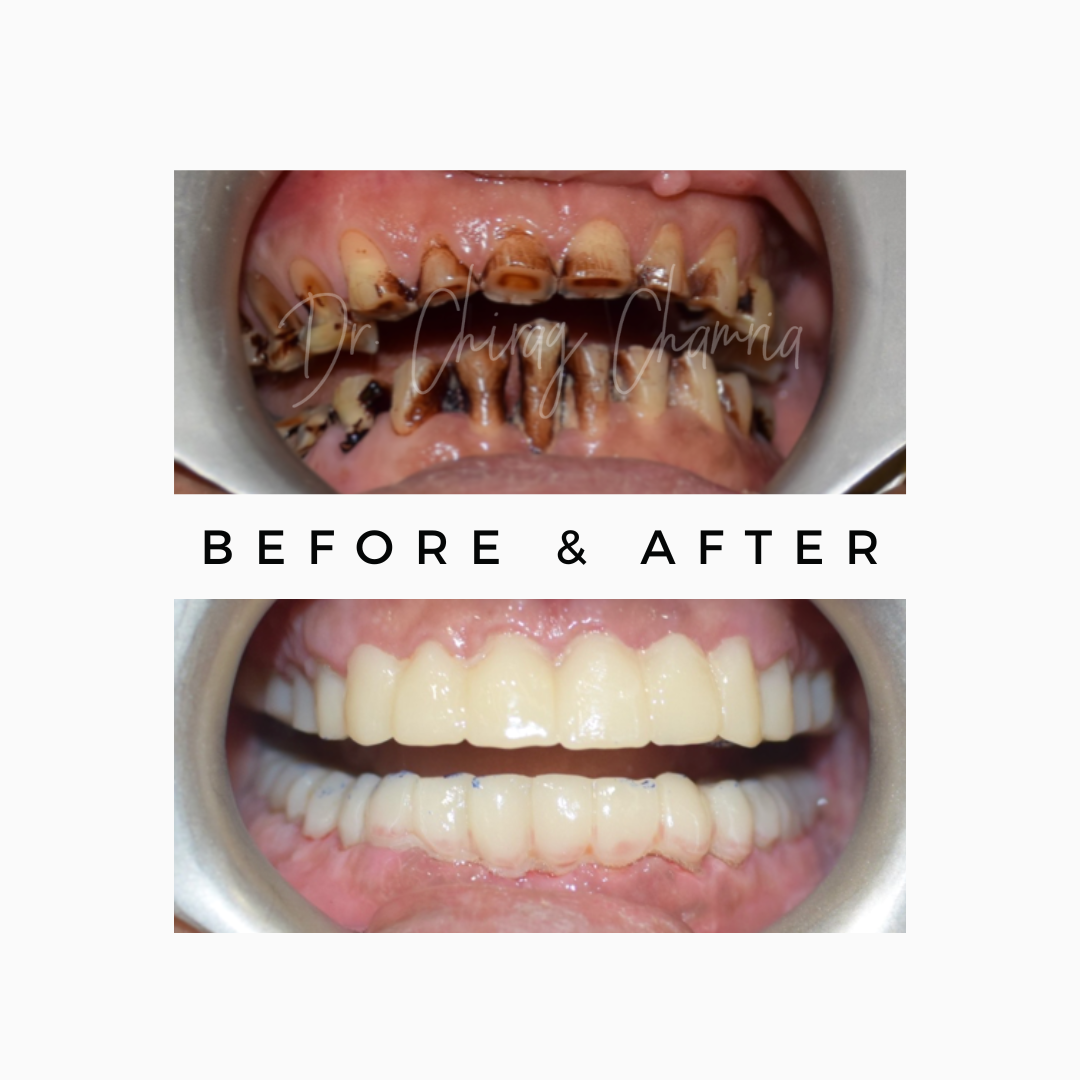



Why is head and neck surgery done?
Head and neck surgery is performed to treat cancers, remove tumors, correct structural abnormalities, manage trauma, and repair congenital defects affecting the head, neck, oral cavity, jaw, throat, and related structures.
What is head and neck surgery called?
Head and neck surgery falls under the specialty of Otolaryngology (ENT) and Oral & Maxillofacial Surgery, which deals with diseases of the ear, nose, throat, face, jaws, oral cavity, and neck, including cancer and reconstructive procedures.
How are head and neck conditions diagnosed?
Diagnosis usually involves a detailed clinical examination, imaging studies such as CT scans or MRI, and confirmatory tests like FNAC (Fine Needle Aspiration Cytology) or biopsy.
What is the first-line treatment for early-stage oral cancer?
The primary treatment for early-stage oral cancer is surgical excision with adequate margins to ensure complete removal of the tumor.
What is the most common tumor of the oral cavity?
Squamous Cell Carcinoma is the most common oral cavity cancer, accounting for nearly 90% of cases. It is strongly associated with tobacco use, alcohol consumption, and betel nut chewing.
What is the most common tumor of the oral cavity?
How long does recovery take after head and neck surgery?
Is a neck lump always cancer?
No. Most neck lumps are caused by infections, inflammatory conditions, or benign swellings. However, persistent or painless lumps should always be evaluated by a specialist.
Is head and neck cancer curable?
Yes. When detected early, head and neck cancers have high cure rates with appropriate treatment.
Is surgery the only treatment for oral cancer?
Not always. Treatment may include surgery, radiation therapy, chemotherapy, or a combination, depending on the stage and extent of the disease.
Is lifelong follow-up required after head and neck cancer surgery?
Regular follow-up is essential to monitor healing, manage side effects, and detect any recurrence at an early stage. Long-term follow-up is strongly recommended.
Can patients eat normally after oral or head and neck surgery?
Yes. Most patients gradually return to normal eating habits once healing is complete, though dietary modifications may be required during the recovery phase.
Is a biopsy painful?
A biopsy usually causes minimal discomfort and is commonly performed under local anesthesia, making the procedure safe and well-tolerated.